
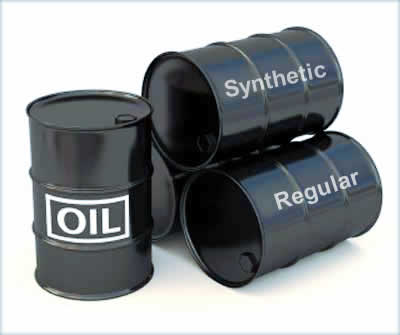
Oil is to the car what blood is to the human body. This is why choosing between synthetic and conventional (regular) oil is a critical decision. In this article, I will share my experiences in using these two oils. I have experimented on my cars with both – fully synthetic in one car, and fully conventional in the other. Both cars are diesel and turbocharged.
- With the car using synthetic oil, I changed oil every 20,000km. Manufacturers recommend changing between 5000km and 7500km, but I haven’t had any problems with changing after 20,000km. With the car using conventional oil, I changed the oil every 10,000km. It has now done over 300,000km with no problems.
- By using synthetic oil, I was saving the oil filter, paying less money on labour charges incurred by changing the oil, and spending less time in going to the workshop.
- However, synthetic oil itself is very expensive compared to mineral oils.
- After 100,000km, I noticed that the car using synthetic oil consumed half a litre of oil every 5000km. The car running conventional oil did not encounter this problem.
- The car using synthetic oil had a cleaner dipstick. But, there is a slight oil leak from the seals of the crankshaft and camshaft. Not a drop of oil leaked from the car using conventional oil.
Theoretically, there are a lot of advantages to synthetic oils. However in practice, my experience has suggested otherwise. Regardless, please do not change synthetic oils before 15,000km. Of course, for the sake of the warranty, you must do as the manufacturer recommends, but beyond that, it is your choice. You can work out the cost of both oils and decide which to use. Hopefully my experience has provided some practical benchmarks for you to compare and decide.
 Thirmal Roy on Automobiles
Pingback: How to save your car from a heart attack | Thirmal Roy on Automobiles